Climate change puts social-ecological systems under immense pressure. Renewable resources are a focal point of these pressures, both because they are directly linked to climate effects, and because of the incentives to overuse common-pool property. At the same time, these resources are vital, particularly in developing countries. Still, we lack a sufficient understanding of the dynamic two-way relationship between the natural and the social system that is necessary to successfully build resilient futures. My research sets out to open a new perspective on cooperation in social-ecological systems under tipping threats, thereby helping to find solutions for specific applied problems, at the same time as contributing to economics at large.
Methodologically, I combine experiments, applied theory and empirical analyses at the intersection of behavioral, climate, and environmental economics. Below, I highlight three current projects, report on the work of my ERC Starting Grant (2016-21) and link a publication list.
Cooperation and group decisions
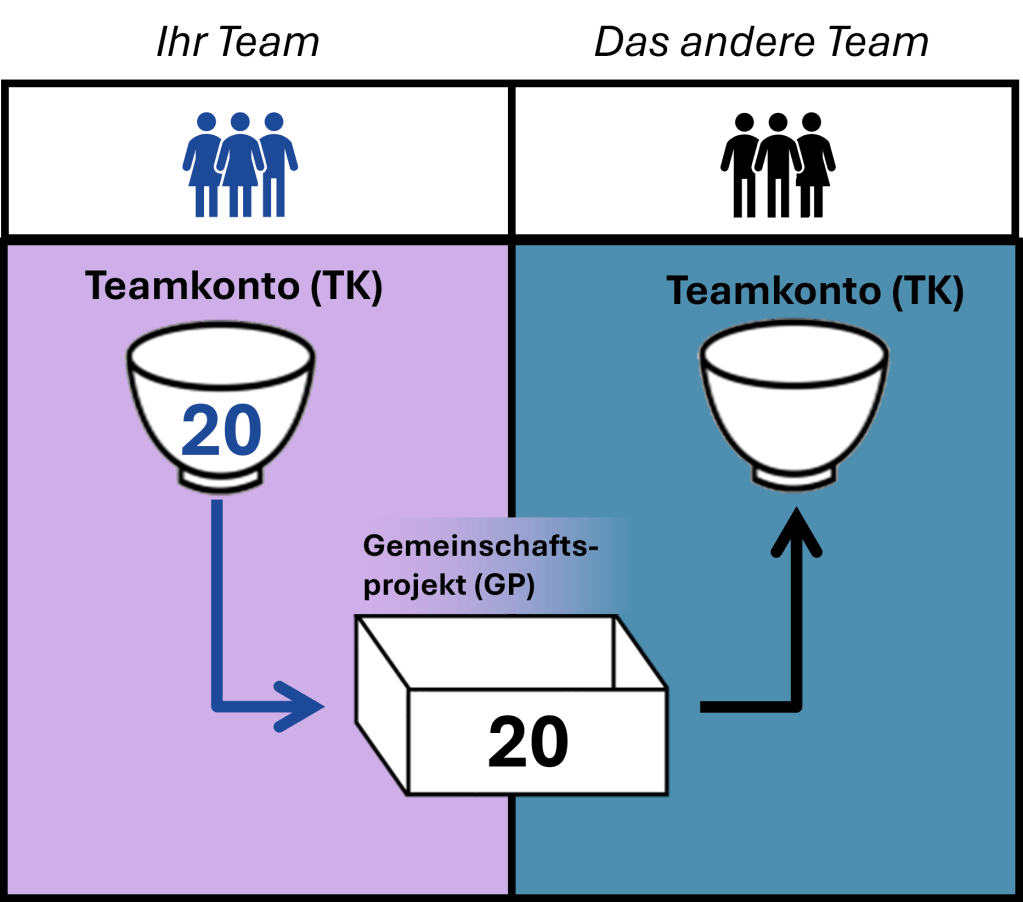
Groups, not individuals, interact in most real-world social dilemma situations. Little is known about how cooperation can be fostered in such settings. Do nudges work for teams? How does the framing of the choice situation affect outcomes? What happens if some groups give while others take?
Early warning signals and tipping points
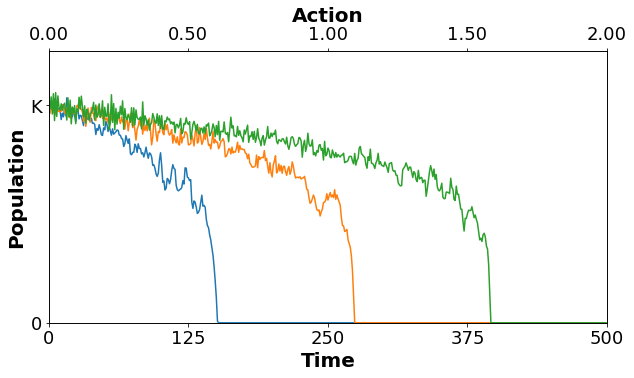
Many socio-ecological systems are expected to collapse once pressure exceeds a tipping point. A fundamental problem is that the location of tipping points is almost always unknown. We study how receiving early warning signals (EWS) of tipping improves ecosystem management. You can find the paper here.
Subsidising compliance with gear regulation
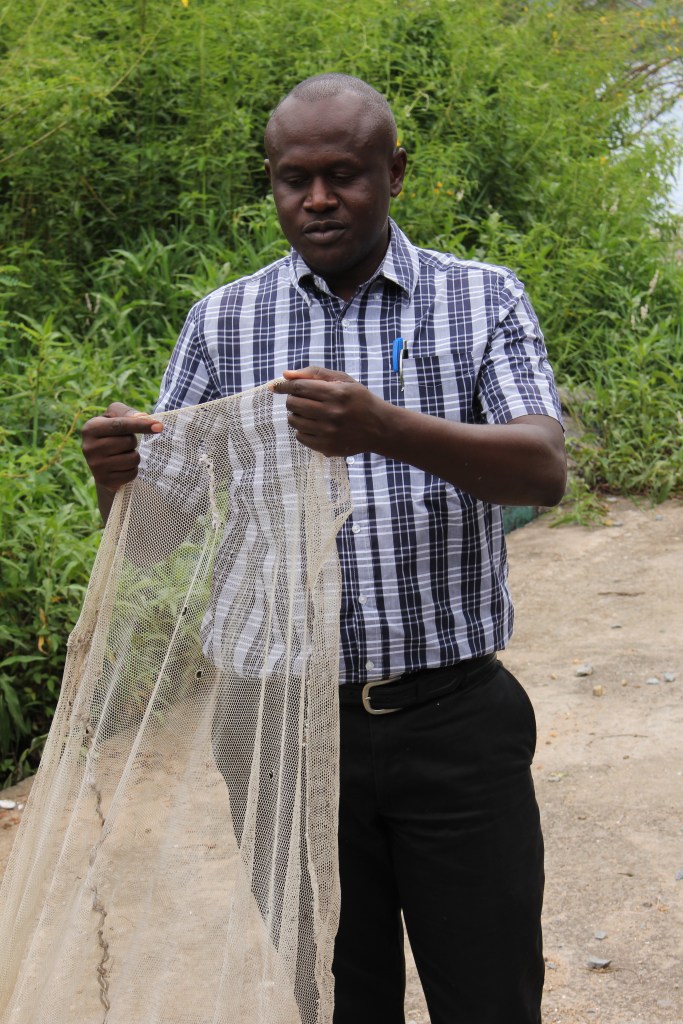
The use of illegally small mesh sizes is a pervasive issue in the Lake Victoria’s dagaa fisheries that threatens sustainable resource management. In an innovative field experiment, we determine the subsidy level required to induce demand for legal fishing nets, thereby compensating fishermen for loss of productivity net of enforcement risk.
NATCOOP (ERC StG)
The aim of the NATCOOP project (2016-21) was to better understand how nature shapes preferences and incentives of economic agents and how this in turn affects common-pool resource management. To this end, we investigate three mechanisms: (A) how tipping points and thresholds in the natural system may encourage cooperation; (B) how the volatility of resource abundance influences risk preferences and how this in turn affects community-based management; and (C) how social norms interact with the natural environment to foster cooperation that overcomes common-pool dilemmas.
The research data collected during the project is stored and curated in the heiDATA repository. The NATCOOP data is FAIR:
– It is findable, namely under the doi: 10.11588/data/GV8NBL.
– It is accessible: the data is anonymized so that anyone can access and use it. We provide a sample analysis script in the open-source language R and an accompanying video tutorial in the dataverse. The video is on youtube: https://youtu.be/O73sefaJPoY
– It is inter-operable: The data is stored in common csv format and we provide a comprehensive codebook, as well as survey scripts and screenshots of key choice frames. Furthermore, there is a detailed description of the background relating to the collection of the data, which you can also access here.
– It is re-usable: All data is assigned the creative commons licence “CC-BY”
Publication list
A list of published papers can be found here: https://www.uni-augsburg.de/en/fakultaet/wiwi/prof/vwl/diekert/research/
 Florian Diekert